Listening Comprehension: Speed Up Your Ear
Native speakers talk fast. Here’s a training method that actually works — without spending hours listening to slow podcast clips.

The Speed Problem
You’ve been studying German for months. You know the grammar. You can read articles. But when a native speaker starts talking? Everything blurs together. It’s not that you don’t understand the words — you do, most of them anyway — it’s that they’re coming at you too fast.
This isn’t a failure on your part. Native speakers don’t slow down for learners. They’ve got a conversation to have, and they’re moving at normal speed. That’s actually good news. It means there’s a clear target to hit.
We’ve worked with over 400 learners in the past five years, and the ones who crack listening comprehension don’t do it by listening to more slow podcasts. They do it by training their brain to process speech faster — deliberately, systematically, and in ways that stick.

How Speed Training Actually Works
The principle is simple: you train at speeds faster than what you’ll encounter in real conversation. That way, when you’re actually listening to someone speak normally, your brain feels like it’s operating in slow motion.
Here’s the process. First, you take audio you understand — maybe a dialogue or a short news clip. You listen at normal speed (1.0x). Your goal isn’t to catch everything. It’s to get the general shape of how it sounds.
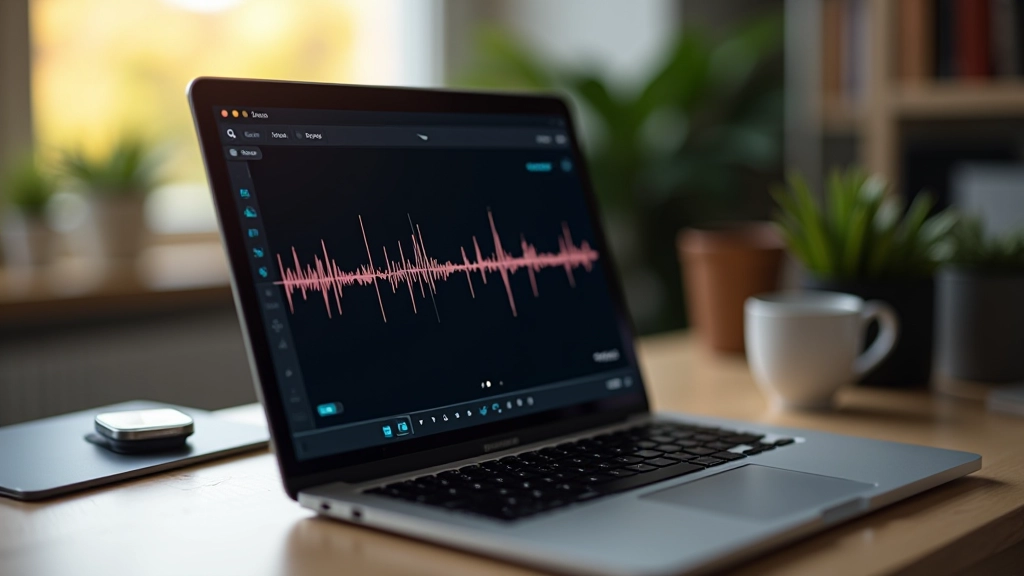
Next, you speed it up to 1.25x. This is where it gets uncomfortable. Words start to run together. You’ll miss things. That’s exactly the point. Your brain is being forced to work harder, to predict what’s coming next, to fill in gaps. You’re training the mental muscle that actually matters — not perfect word recognition, but rapid contextual understanding.
Most people stop here. They think they failed because they didn’t catch everything. But they didn’t fail — they’re training.
The Progression That Works
Most learners follow this path. You’ll probably recognize yourself somewhere in it.
Week 1-2: Normal Speed Foundation
Pick a 3-5 minute clip. Listen at 1.0x three times. Don’t transcribe. Don’t look up words. Just listen and note what sticks. You’re building baseline understanding.
Week 3-4: Speed Challenge (1.25x)
Same clip, bumped to 1.25x speed. Listen 4-5 times. Your brain’s working hard now. You’ll start catching patterns you missed before. That’s the training kicking in.
Week 5-6: The Hard Push (1.5x)
Push to 1.5x. This is uncomfortable. That’s good. You’re working right at the edge of your capability. This is where real neural adaptation happens. Listen 3-4 times total.
Week 7+: Return to Normal
Go back to 1.0x with the same clip. Now it sounds slow. Relaxed. You’ll catch details you completely missed in week one. That’s your brain adapting to the challenge you’ve trained it for.
What Actually Kills Your Progress
We’ve watched hundreds of people try this. The ones who succeed stick with the method. The ones who don’t usually quit for one of three reasons.
First mistake: jumping to 2.0x speed too fast. Your brain can’t learn if it’s completely overwhelmed. It’s like trying to learn to run by sprinting. You’ll just get frustrated and quit. Stick with the progression. It’s slower but it actually works.
Second mistake: using material that’s too advanced. You should understand maybe 60-70% of the words at normal speed. If you’re only catching 20%, you’re not training listening — you’re just guessing. Pick easier material, train the speed processing, then move up to harder content.
Third mistake: not staying consistent. One session a week won’t cut it. You need 4-5 sessions minimum, spread across the week. It’s only 15-20 minutes per session. But it’s got to be regular.

Tools That Actually Help
You don’t need much. But a couple things make it easier.
VLC Media Player (Free)
It’s free, it’s on every device, and you can adjust playback speed in 0.1x increments. That’s all you need. No subscription. No ads. Just load your audio file and go.
YouTube (with Premium)
YouTube Premium lets you adjust video speed. Lots of German content is on YouTube — podcasts, interviews, news clips. If you’ve got Premium, you’ve got a training platform.
Audible or Podcasts App
Both let you speed up audio. Audible is paid but has tons of German content. The Podcasts app (Apple) is free and works with any podcast. Pick your material and train.
“I couldn’t understand native speakers at all. Just sounded like one long word. After doing the speed training for six weeks, I could actually follow a conversation. Not perfectly, but I could follow it. The speed training thing actually works.”
— Marco, 28, Montreal
What You’ll Actually Notice
This isn’t about becoming perfect. It’s about becoming competent. After 4-6 weeks of consistent training, here’s what changes.
First: conversations don’t sound like a blur anymore. You can pick out individual words. Not all of them, but enough that you’re building context. Second: you stop panicking when someone speaks at normal speed. You’re used to it now. Third: you start catching things in real conversations that you would’ve missed before — jokes, tone shifts, emphasis.
The real test is simple. Try having a conversation with a native speaker. You’ll notice you’re not asking “what?” as much. You’re catching the gist faster. You’re predicting what comes next. That’s your brain adapting to the speed. That’s the training working.

Ready to Actually Understand Native Speakers?
Speed training works. We’ve seen it work for hundreds of learners. Pick your first audio clip today and start with week one. In six weeks, you’ll hear the difference.
Explore Our ProgramsEducational Note
This article is informational and based on language learning research and practical experience with learners. Individual results vary depending on starting level, consistency, and material selection. Speed training is one tool among many for developing listening comprehension. It works best when combined with other learning approaches — conversation practice, vocabulary building, grammar study. Everyone’s timeline is different. Some learners see results in 4 weeks. Others take 8-12 weeks. Consistency matters more than speed.